

Water damage can occur when you least expect it and can be a result of a burst pipe, a severe storm, or even a simple leak.
When it happens, it's crucial to act fast. This is where emergency water restoration comes into play.
Emergency water restoration is a process that helps restore your property to its original state. It involves removing the water, drying the area, and repairing any damage caused.
But what should you do when faced with such a situation? How can you minimize the damage and ensure a swift recovery?
This guide will provide you with top tips for immediate action. It will cover everything from the initial steps to take, to the importance of professional services, and how to prevent future water damage.
By understanding these processes, you can protect your property and ensure a quick return to normalcy.
Understanding Emergency Water Restoration
Emergency water restoration is a specialized process focused on addressing water damage to restore properties to a safe, usable state. It involves more than cleanup—it ensures that all water damage is managed effectively.
Quick action is vital in preventing issues like mold growth and structural damage. Every minute counts when responding to water emergencies.
Water damage is categorized by contamination levels (clean, gray, or black water) and the scale of damage, which impacts the restoration approach.
- Category 1: Clean water from non-hazardous sources (e.g., broken pipe).
- Category 2: Gray water from sources like washing machines that may cause illness.
- Category 3: Black water, highly contaminated and posing serious health risks (e.g., sewage).
Understanding these categories helps determine the severity and appropriate restoration methods for a thorough cleanup.
Common Causes of Water Damage
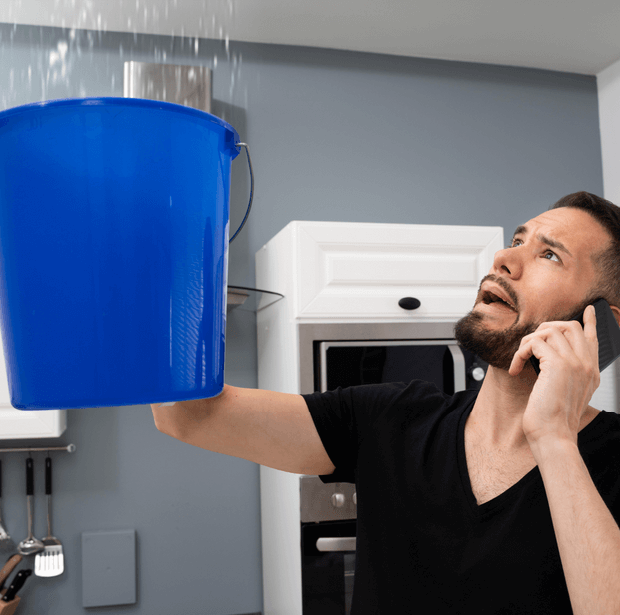
Water damage can stem from various sources, both inside and outside of a building. Understanding these common causes can help you prepare and respond more effectively when water emergencies arise. Awareness and preventative measures can reduce the risk of severe damage.
Internal sources often include plumbing failures, such as burst pipes, overflowing toilets, or leaking appliances. These incidents can happen unexpectedly and cause significant damage if not addressed. Regular maintenance can help detect and fix potential issues before they become emergencies.
External causes are usually related to weather conditions and natural events. Heavy rainfall, storms, or floods can introduce large quantities of water into your property.
Additionally, poor drainage systems can exacerbate these issues, allowing water to pool and seep into foundations. Proper outdoor maintenance and storm preparation can help minimize these risks. Understanding these causes allows for better planning and preventive strategies to protect your property.
Immediate Steps to Take for Water Damage
When facing water damage, quick action is key. Start by ensuring safety—turn off power in affected areas to avoid electrical hazards.
Next, stop the water source if possible, such as shutting off a broken pipe or appliance. If needed, turn off the main water supply until help arrives.
Then, document the damage with photos and videos from different angles to support insurance claims.
Taking these immediate steps helps minimize damage and ensures smoother restoration and insurance processes.
The Role of Emergency Plumbing Services
In water damage situations, it’s crucial to know when to contact emergency plumbing services. If you can’t control the water source or notice structural issues, it’s time to call the experts. They have the tools and expertise to manage severe leaks or bursts, preventing further damage.
A prompt professional assessment is essential. Specialists quickly diagnose the issue, offering tailored solutions to minimize damage, preserve property integrity, and reduce restoration costs.
Equipped with advanced technology, emergency plumbers prevent secondary damage, like mold growth or structural weakening, ensuring a thorough and efficient restoration process.
Water Removal and Drying Techniques
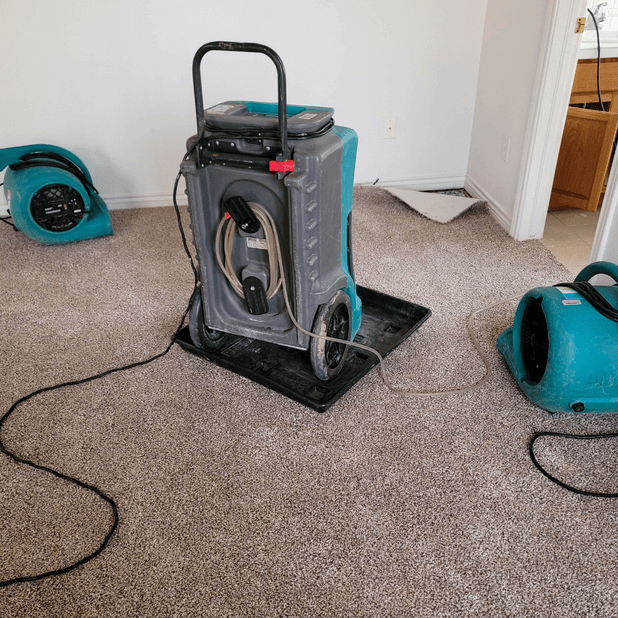
When dealing with water damage, promptly removing standing water is essential. Techniques like wet vacuums, submersible pumps, or mops are used based on the water volume and area accessibility.
After extraction, drying the area will help prevent further damage, like wood warping or mold growth. Industrial fans help speed up drying by circulating air and removing moisture efficiently.
Dehumidifiers also play a key role in reducing humidity, especially in enclosed spaces, ensuring all moisture is eliminated from surfaces and the air.
Methods:
- Water Extraction: Wet vacuums, submersible pumps, mops
- Drying Equipment: Industrial fans, air movers
- Dehumidification: Dehumidifiers
These methods ensure a thorough restoration process, minimizing long-term damage risks.
Cleaning, Sanitizing, and Preventing Mold Growth
After water extraction and drying, thorough cleaning is essential to remove any remaining moisture or dirt that could foster mold and bacteria. Disinfecting surfaces ensures harmful pathogens are eliminated, protecting your property and health.
Mold can begin growing within 24 to 48 hours, so mold remediation should start immediately. Key strategies include removing contaminated materials, treating surfaces with antimicrobial solutions, and improving ventilation to prevent mold growth.
Ongoing monitoring with moisture meters and air quality tests ensures mold is fully eradicated, keeping your environment safe.
The Restoration Process: From Start to Finish
The restoration process begins with a thorough inspection to assess the extent of water damage and identify all affected areas. Moisture detection tools are used to uncover hidden damage.
Next, water extraction and drying are prioritized. Advanced equipment ensures efficient removal, while dehumidifiers and air circulation eliminate moisture.
Reconstruction follows, repairing damaged structures such as drywall and flooring. Skilled technicians restore the property to its pre-damage condition.
Restoration Steps:
- Inspection and assessment
- Water removal and drying
- Mold remediation (if necessary)
- Damage repair and reconstruction
- Final inspection and clearance
This approach ensures your property is restored safely and effectively, preventing future issues and maintaining its value.
Preventing Future Water Damage
Proactive maintenance is essential to avoid water damage issues in the future. Regularly inspect your plumbing system for leaks or worn parts. Ensure gutters and downspouts are clear of debris to prevent water buildup. Consider installing sump pumps in areas prone to flooding for added protection.
Being prepared for emergencies can also mitigate potential water damage. Develop an emergency preparedness plan for your family or business. This plan should include emergency contact numbers and steps to take if a water-related incident occurs.
Regularly update and practice your plan to ensure everyone knows how to respond. Taking these preventive steps can save you time, money, and stress.
The Importance of Timely Action
Water damage can escalate quickly, leading to significant problems if not addressed. Understanding the immediate steps to take and knowing when to call in professional help is critical. Quick response prevents further damage and ensures effective restoration, preserving your property’s integrity.
Maintaining a healthy home environment is an ongoing effort. Taking preventive measures and having an emergency plan to safeguard against future incidents. By staying informed and prepared, you can minimize risks and ensure a safe, comfortable living space for you and your family. Timely action and vigilance are your best defenses against emergency water situations.
For professional reliable water damage restoration services you can count on in Knoxville, contact Patriot Restoration today!


